Vanuatu Agriculture Strategies |
||||
|
{tab title="Kava Strategy" class="blue"}
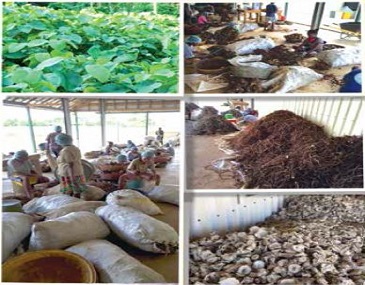
The adoption of the Vanuatu Agriculture Sector Policy demands the development of strategies for commodities in the agriculture sector. Kava is a major commodity in the sector and numerous studies have been carried out articulating the issues that need to be addressed to improve its utility as a commodity that affects the lives of ordinary citizens. The two elements facing the kava sector in Vanuatu are quality and quantity. Quality is an element that needs to be woven throughout the entire kava value chain. Increased production of quality product is the other element required to ensure a thriving and sustainable kava industry. A paradigm shift in the approach to dealing with these issues is required. No longer can Vanuatu treat the kava issues in a ‘business as usual’ manner. Vanuatu needs to take control of its future in kava, by acting on the numerous studies and collective knowledge now available to it. Recent changes in the world market for kava demand that urgent action be undertaken as the danger for Vanuatu is that it will become a follower of trends subject to the dictates of potential newer entrants who are better capitalised in terms of production and marketing apart from decisive action being taken by Pacific island neighbours.
Click here to view the full strategy {tab title="Coconut Strategy" class="red" }
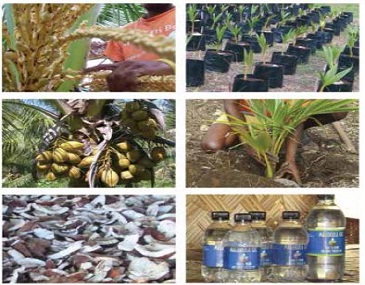
The Vanuatu Coconut Sector Strategy is part of a series of strategic documents produced by the Department of Agriculture and Rural Development to assist in implementing the Vanuatu Agriculture Sector Policy.
Click here to view the full strategy
{tab title="Fruits and Vegetables Strategy" class="green"}
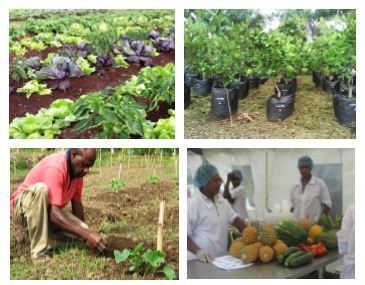
The National Fruits and Vegetables Strategy is part of a series of strategic documents produced by the Department of Agriculture and Rural Development to assist in implementing the Vanuatu Agriculture Sector Policy (2015-2030).The development of this Strategy was made possible through the financial, technical and in-kind support from key partners and stakeholders to ensure that the strategy will serve as a realistic and well supported roadmap for this important sector over the next 10 years.
Click here to view the full strategy
{/tabs} |